Tell us about the job
Takes about a minute. No obligation.
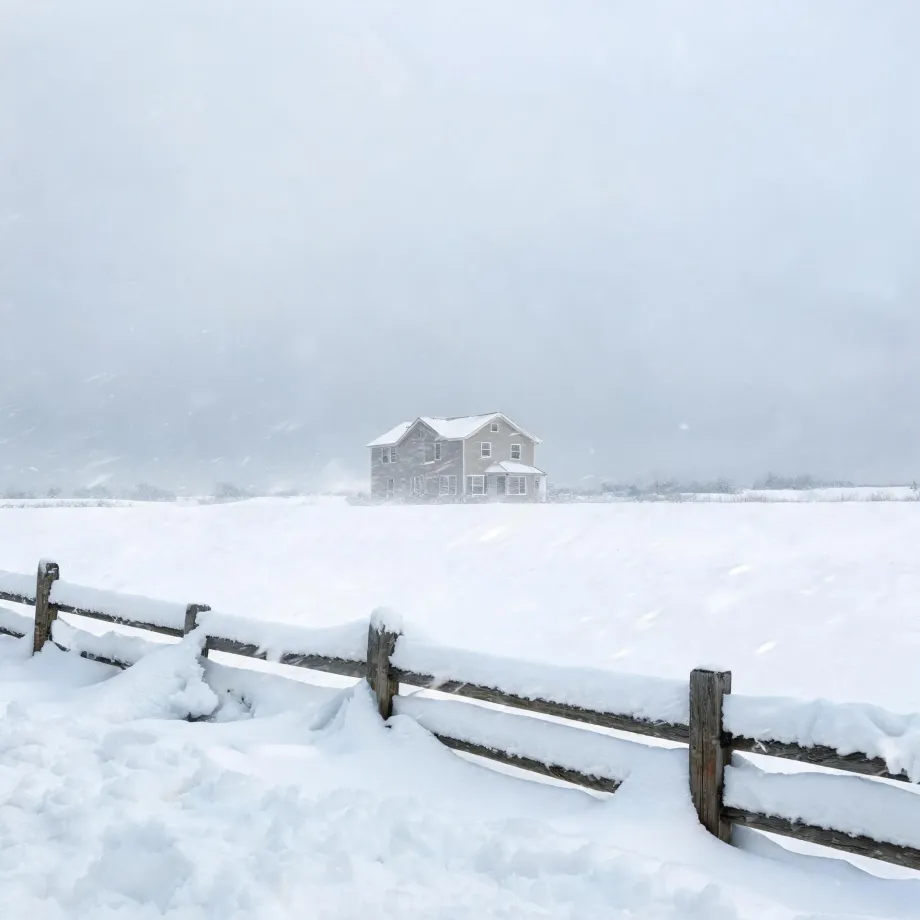
A heat pump asked to cover a South Dakota winter pushes its compressor hard at the exact temperatures where the refrigerant cycle is least efficient. Homes in Roberts County, SD run heat about nine months a year, from September through May. Contractors diagnosing a repair here look at the compressor first: valve wear, refrigerant charge, and whether the system has been short-cycling to compensate for capacity it cannot reach in deep cold. Back-up heat strips get checked too, because they carry the load the compressor drops. A unit that was sized thin shows its faults well before spring.
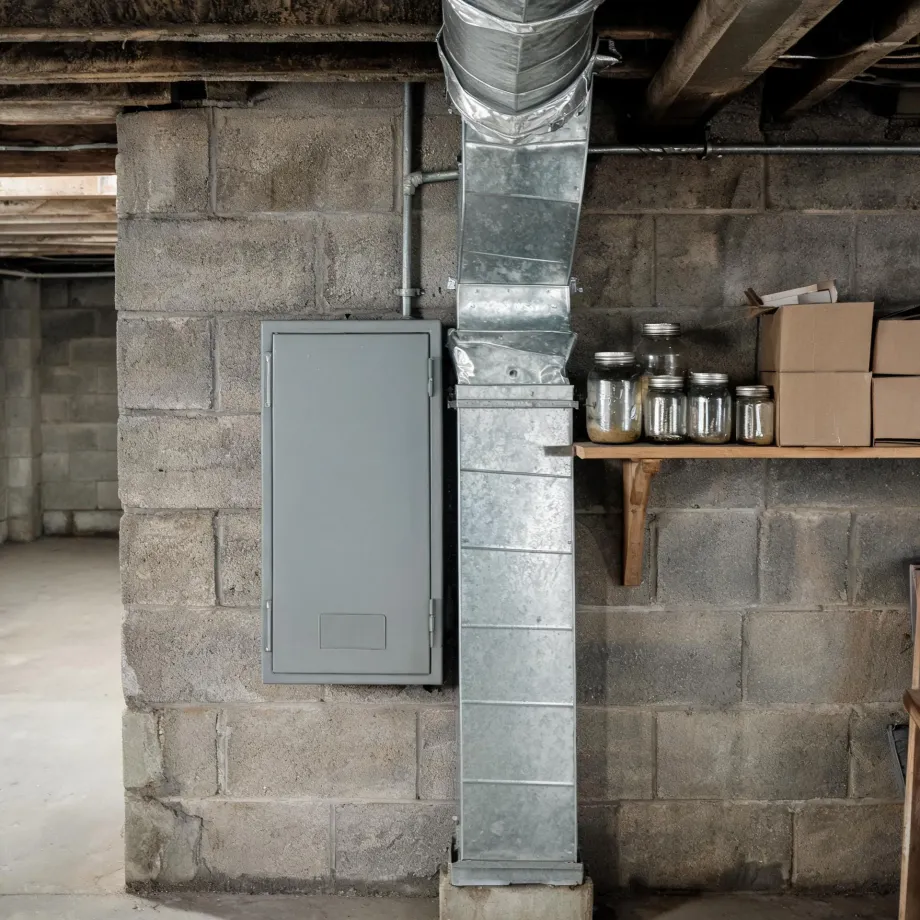
What a heat pump repair surfaces in this county has as much to do with what is behind the wall as what is in the cabinet. Half the homes in Roberts County, South Dakota were built in 1974 or earlier (2020-2024 ACS 5-year). A house built to the standards of that era carries electrical service and refrigerant line sets sized for equipment that has since been replaced, sometimes more than once. When a contractor opens a heat pump here, what the existing wiring actually is can change the scope of the repair before any part is ordered.
The Parts of a Heat Pump a Contractor Checks First
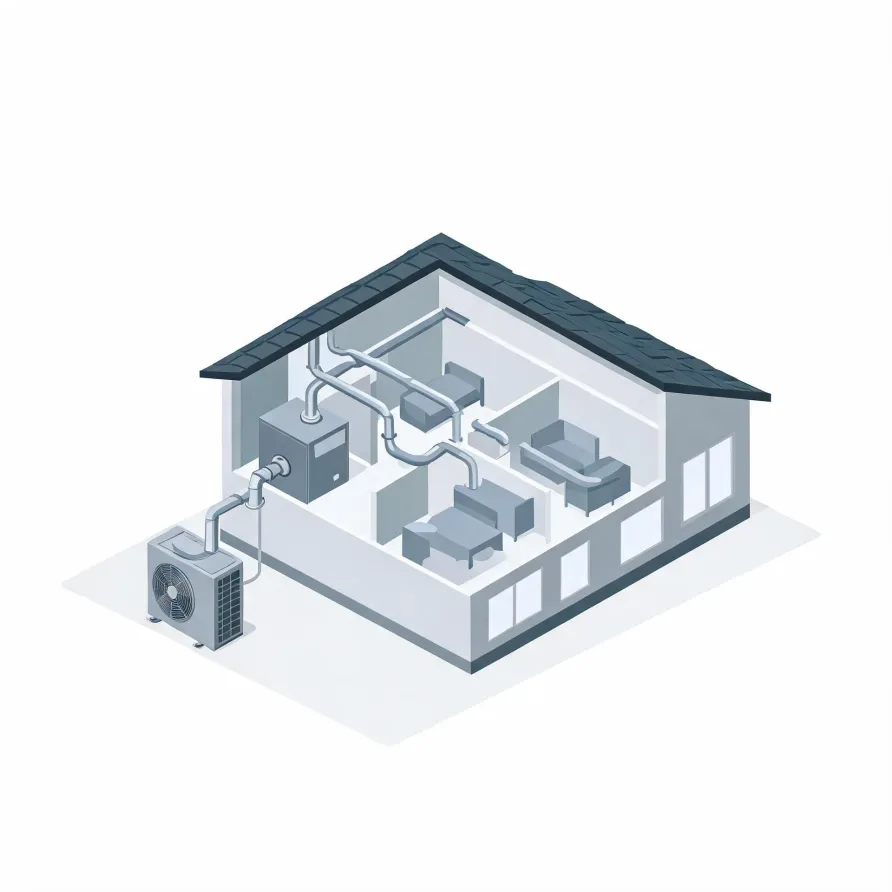
The outdoor unit sits outside the house and holds the compressor and the outdoor coil. These are the parts a contractor reaches first when something goes wrong, because the compressor drives the whole system and the coil is where heat transfer actually happens. A failed compressor or a damaged coil will stop the system cold.
Inside the house, the air handler holds the indoor coil and the blower fan, which pulls air across the coil and pushes it through the home. The reversing valve, which sits in the refrigerant circuit, is what allows a heat pump to shift between heating and cooling, and it is a common point of failure when the system runs but does not produce the right output.
The drawing shows the general layout of these components, and a licensed contractor determines which of them apply and what condition they are in for your specific house.
Find a contractor in Roberts CountyRoberts County by the Numbers
199 severe weather events were recorded in Roberts County, South Dakota between 2015 and 2024.
NOAA National Centers for Environmental Information, Storm Events Database, bulk CSV export, events 2015-01-01 through 2024-12-31.Half the homes in Roberts County, South Dakota were built in 1974 or earlier (2020-2024 ACS 5-year).
U.S. Census Bureau, 2020-2024 American Community Survey 5-Year EstimatesRoberts County, South Dakota holds 4,848 housing units (2020-2024 ACS 5-year).
U.S. Census Bureau, 2020-2024 American Community Survey 5-Year EstimatesOwners occupy 71.2% of the occupied homes in Roberts County, South Dakota (2020-2024 ACS 5-year).
U.S. Census Bureau, 2020-2024 American Community Survey 5-Year EstimatesSevere Weather Events in Roberts County
Extreme weather puts heat pumps under load they were not sized to ignore. How hard that pressure runs in Roberts County shapes what local equipment faces and what repair work looks like here.
199 severe weather events, 2015–2024. Source: NOAA National Centers for Environmental Information, Storm Events Database.