Tell us about the job
Takes about a minute. No obligation.
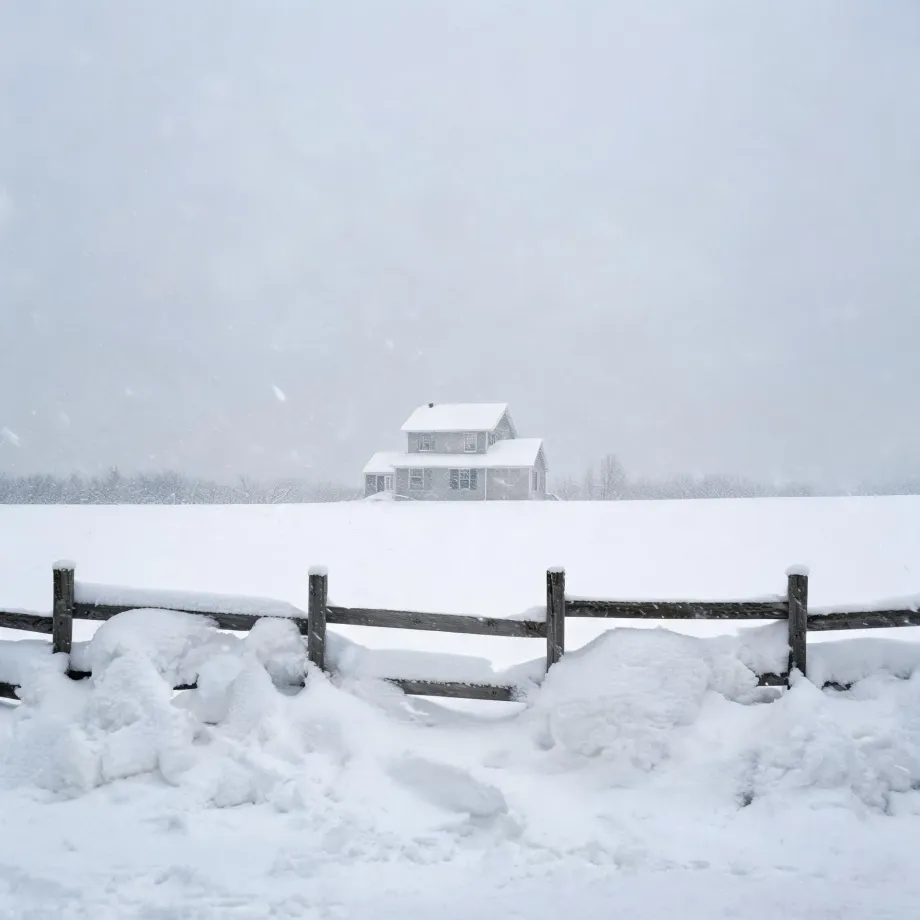
Sizing a heat pump for Jones County starts with one fact a contractor cannot guess at. Homes in Jones County, SD run heat about eight months a year, from October through May. A heat pump loses heating capacity as outdoor temperatures drop, so a system sized for a shorter or milder season will run short on output on the coldest nights here. The contractor has to establish what backup heat source handles that gap, and how much of the heating load it covers, before the quote is written. Get either wrong and the equipment runs at its ceiling through the months that matter most.
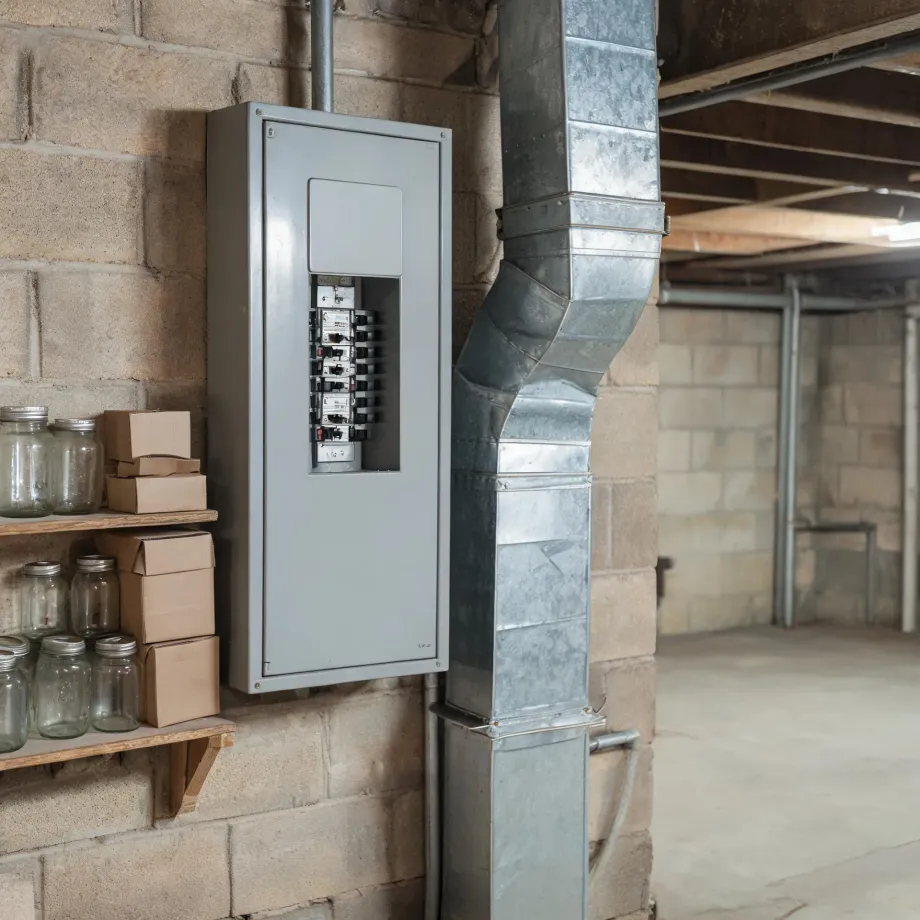
Ductwork laid out for an older forced-air system carries assumptions about static pressure and airflow that a heat pump does not share. Half the homes in Jones County, South Dakota were built in 1973 or earlier (2020-2024 ACS 5-year). That depth of housing history means a contractor opening walls or pulling registers in a typical Jones County home is checking whether the existing duct runs can move the volume a heat pump needs, and whether the electrical service will carry the load the new unit draws. Both answers come from what is physically in the house, and either one can redirect the job before the equipment question is settled.
What Gets Installed With a New Heat Pump
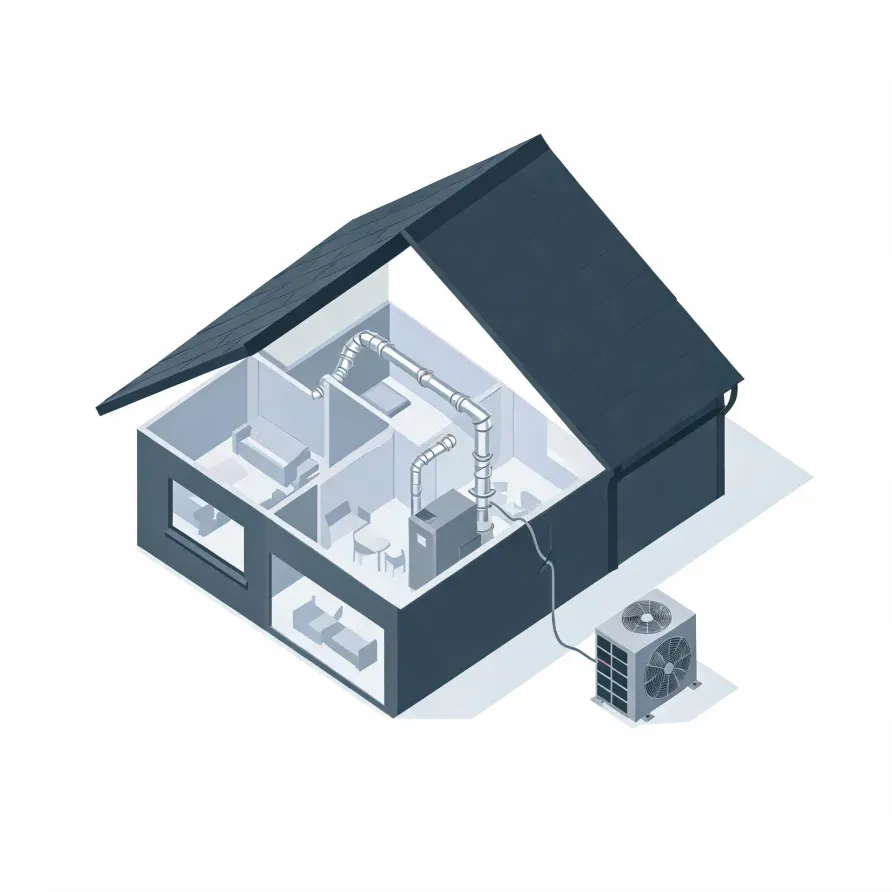
The outdoor unit is the piece a homeowner notices first. It sits outside on a pad or wall bracket and houses the compressor and the main coil. Inside, the air handler mounts in a utility space, basement, or closet and holds the indoor coil and the blower that moves conditioned air through the house.
A refrigerant line set runs between the two units, carrying refrigerant through insulated copper tubing that passes through a small penetration in the wall. A thermostat goes on an interior wall where it reads the living space and tells the system when to run.
The drawing shows a representative layout, and a licensed contractor determines what applies to this particular house.
Find a contractor in Jones CountyJones County, by the numbers
176 severe weather events were recorded in Jones County, South Dakota between 2015 and 2024.
NOAA National Centers for Environmental Information, Storm Events Database, bulk CSV export, events 2015-01-01 through 2024-12-31.Half the homes in Jones County, South Dakota were built in 1973 or earlier (2020-2024 ACS 5-year).
U.S. Census Bureau, 2020-2024 American Community Survey 5-Year EstimatesJones County, South Dakota holds 479 housing units (2020-2024 ACS 5-year).
U.S. Census Bureau, 2020-2024 American Community Survey 5-Year EstimatesOwners occupy 76.3% of the occupied homes in Jones County, South Dakota (2020-2024 ACS 5-year).
U.S. Census Bureau, 2020-2024 American Community Survey 5-Year EstimatesSevere Weather Events in Jones County
Extreme weather puts heat pumps under load at the worst possible time, and the stress adds up over years. Sizing and installing equipment for this area means accounting for what the climate here actually does.
176 severe weather events, 2015–2024. Source: NOAA National Centers for Environmental Information, Storm Events Database.