Tell us about the job
Takes about a minute. No obligation.
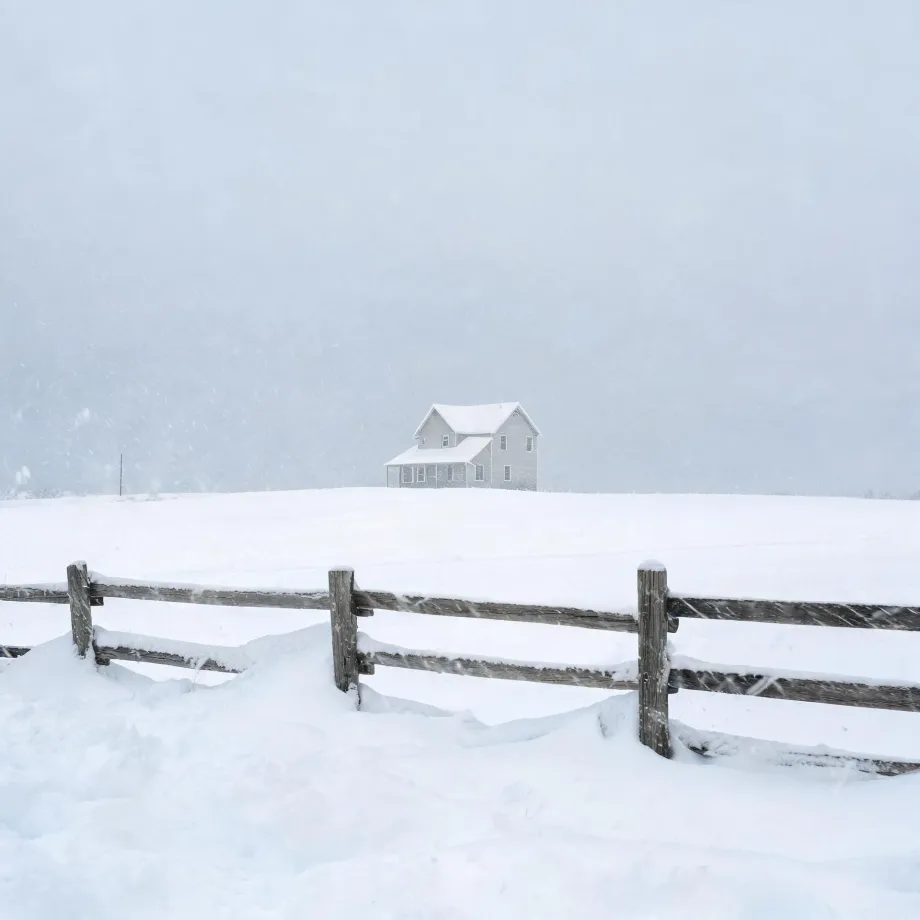
A contractor quoting a heat pump install in Lyman County has to get the sizing right before anything else on the spec sheet matters. Homes in Lyman County, SD run heat about eight months a year, from October through May. Heat pumps lose heating capacity as outdoor air cools, so a unit that tests fine in mild weather falls short on the coldest days of a long South Dakota winter. An undersized system runs the backup resistance heat far more than intended, and that shows up on the electric bill before it shows up as a fault code. The load calculation, and the choice of balance point, are where a good install earns its keep.
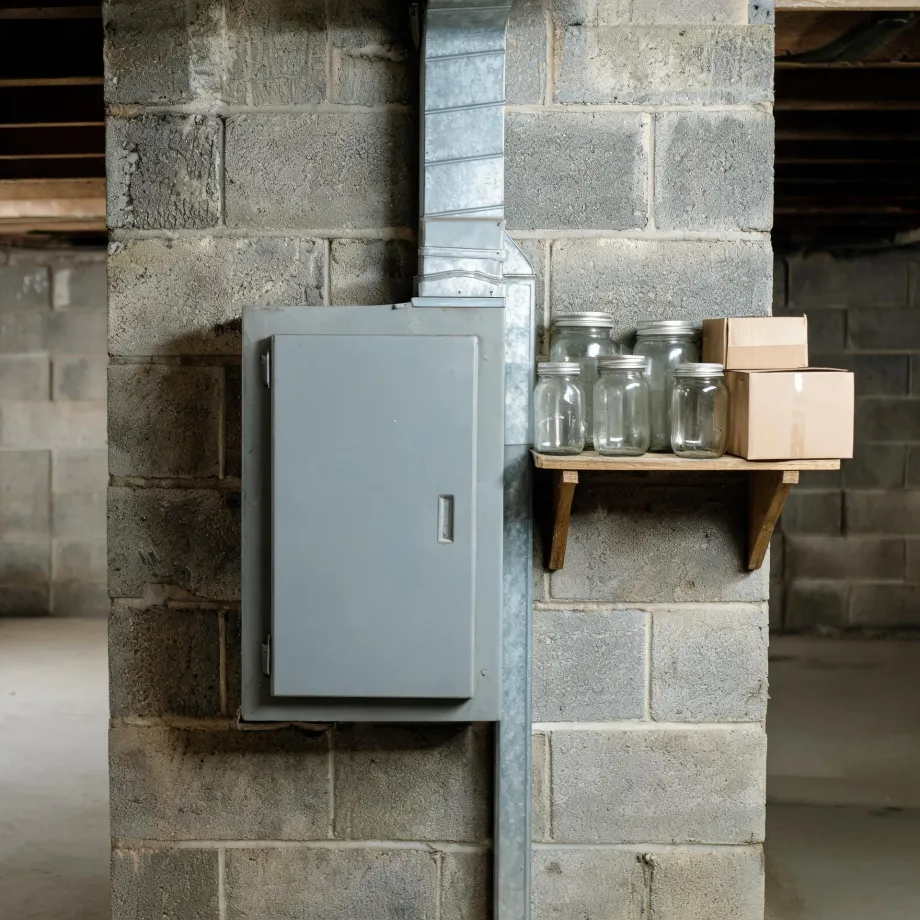
Ductwork and electrical service are what decide how a heat pump installation actually goes, and in much of Lyman County's housing stock both were put in for systems that drew far less than a heat pump draws today. Half the homes in Lyman County, South Dakota were built in 1976 or earlier (2020-2024 ACS 5-year). That gap between what the wiring was sized for and what a new unit pulls means the panel gets evaluated before the equipment gets quoted. A contractor who skips that step will misprice the job.
What Gets Installed With a New Heat Pump
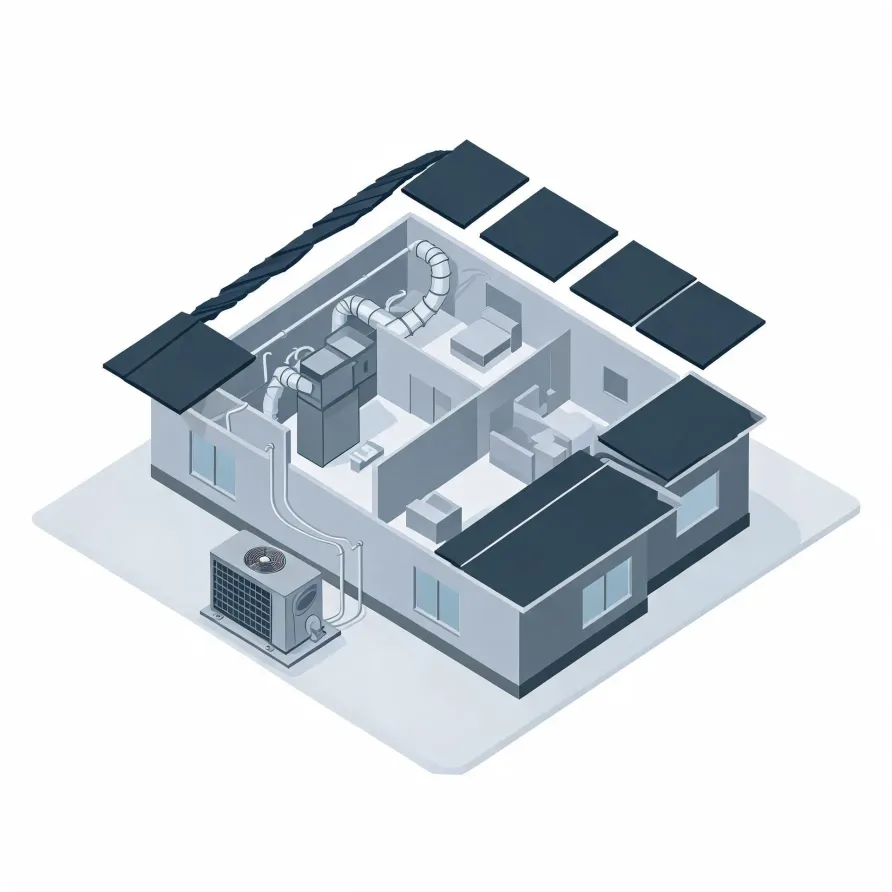
The outdoor unit sits on a pad beside the house and holds the compressor and the coil that exchange heat with the outside air. The indoor air handler mounts inside, usually in a utility space, basement, or closet, and moves conditioned air through the home. These two units are the core of what a contractor brings to the job.
A refrigerant line set runs between the outdoor and indoor units, carrying refrigerant through insulated copper tubing that passes through the exterior wall. A thermostat mounts on an interior wall and gives the homeowner control over the system. The condensate drain line runs from the air handler to a floor drain or outside, removing the moisture the indoor coil pulls from the air.
The drawing shows a typical layout, and a licensed contractor determines exactly which components and configurations apply to your house.
Find a contractor in Lyman CountyLyman County, by the numbers
285 severe weather events were recorded in Lyman County, South Dakota between 2015 and 2024.
NOAA National Centers for Environmental Information, Storm Events Database, bulk CSV export, events 2015-01-01 through 2024-12-31.Half the homes in Lyman County, South Dakota were built in 1976 or earlier (2020-2024 ACS 5-year).
U.S. Census Bureau, 2020-2024 American Community Survey 5-Year EstimatesLyman County, South Dakota holds 1,553 housing units (2020-2024 ACS 5-year).
U.S. Census Bureau, 2020-2024 American Community Survey 5-Year EstimatesOwners occupy 69.9% of the occupied homes in Lyman County, South Dakota (2020-2024 ACS 5-year).
U.S. Census Bureau, 2020-2024 American Community Survey 5-Year EstimatesSevere Weather Events in Lyman County
Extreme weather puts a sustained load on heating and cooling equipment, and South Dakota delivers a wide range of conditions that a heat pump has to handle year after year. What the climate does in Lyman County shapes what a system needs to be built for.
285 severe weather events, 2015–2024. Source: NOAA National Centers for Environmental Information, Storm Events Database.