Is a heat pump enough for winter in Rapid City, SD

Hand off the search

A Rapid City winter asks a lot of a heat pump, and you want to know it can keep up before the cold really sets in. Most homes around Pennington County heat with gas, so if you're running a heat pump or thinking about adding one, getting the setup right matters more here than in a milder spot. That's a question worth putting to someone who installs these year-round in this area and knows how they actually perform once temperatures drop, not a general answer. Send the form and the search is off your plate. This goes to one licensed local contractor, not a handful of companies competing for your attention, so you're not stuck sorting through calls. Just someone who works on heat pumps in this climate every winter, looking at your situation specifically.

Can a heat pump handle winter in Rapid City?

Rapid City winters bring long stretches below freezing, and a heat pump that works fine in October can struggle once January sets in. If you already have one, or you're weighing one against a furnace, you want a straight answer about whether it can carry the house through the coldest months here, not just the mild ones.

On its own, no. Paired with backup heat, yes.

A heat pump moves heat from the outside air into your house, and the colder that air gets, the less heat it has to give up. Once temperatures drop into the teens and below, which happens regularly in a Pennington County winter, most heat pumps can't pull enough heat to keep the house warm by themselves. That's why almost every heat pump here is installed alongside a gas furnace or electric backup that kicks in when the outdoor temperature falls past the point the heat pump can handle. The heat pump does the milder days, the backup covers the hard cold, and the system switches between them without you doing anything.

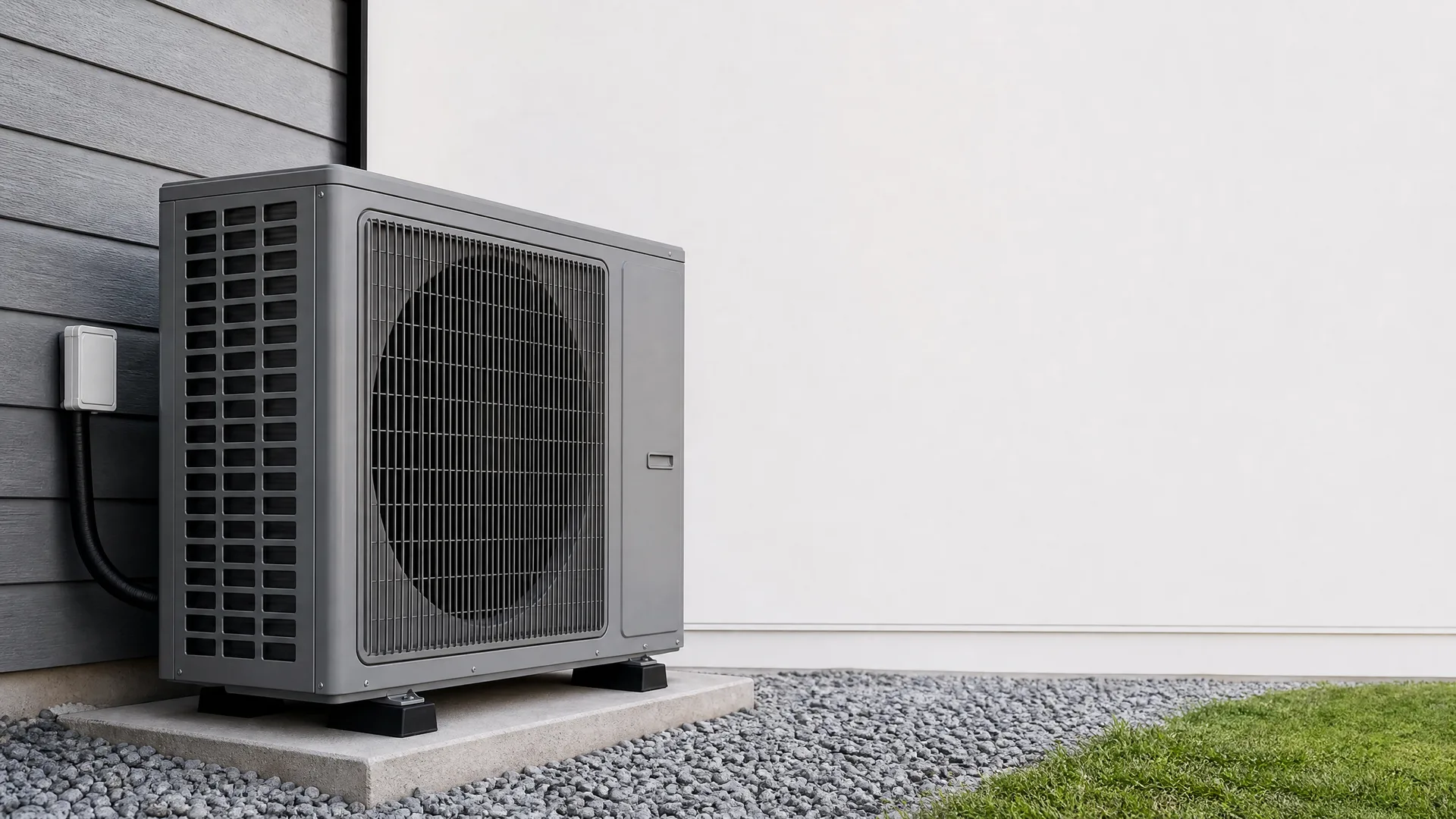
A gray outdoor heat pump unit on a concrete pad beside a house with dark horizontal siding and a plain white wall, surrounded by gray gravel next to a strip of grass.

What happens below freezing

A heat pump pulls heat from outside air, and that gets harder as the temperature drops. Most units lean on a backup heat source once outdoor air falls into the teens or lower, because the compressor alone can't keep pulling enough heat to hold your house at temperature. That backup is usually electric strip heat or a gas furnace paired with the heat pump. Without it, the system runs longer and still loses ground on the coldest nights.

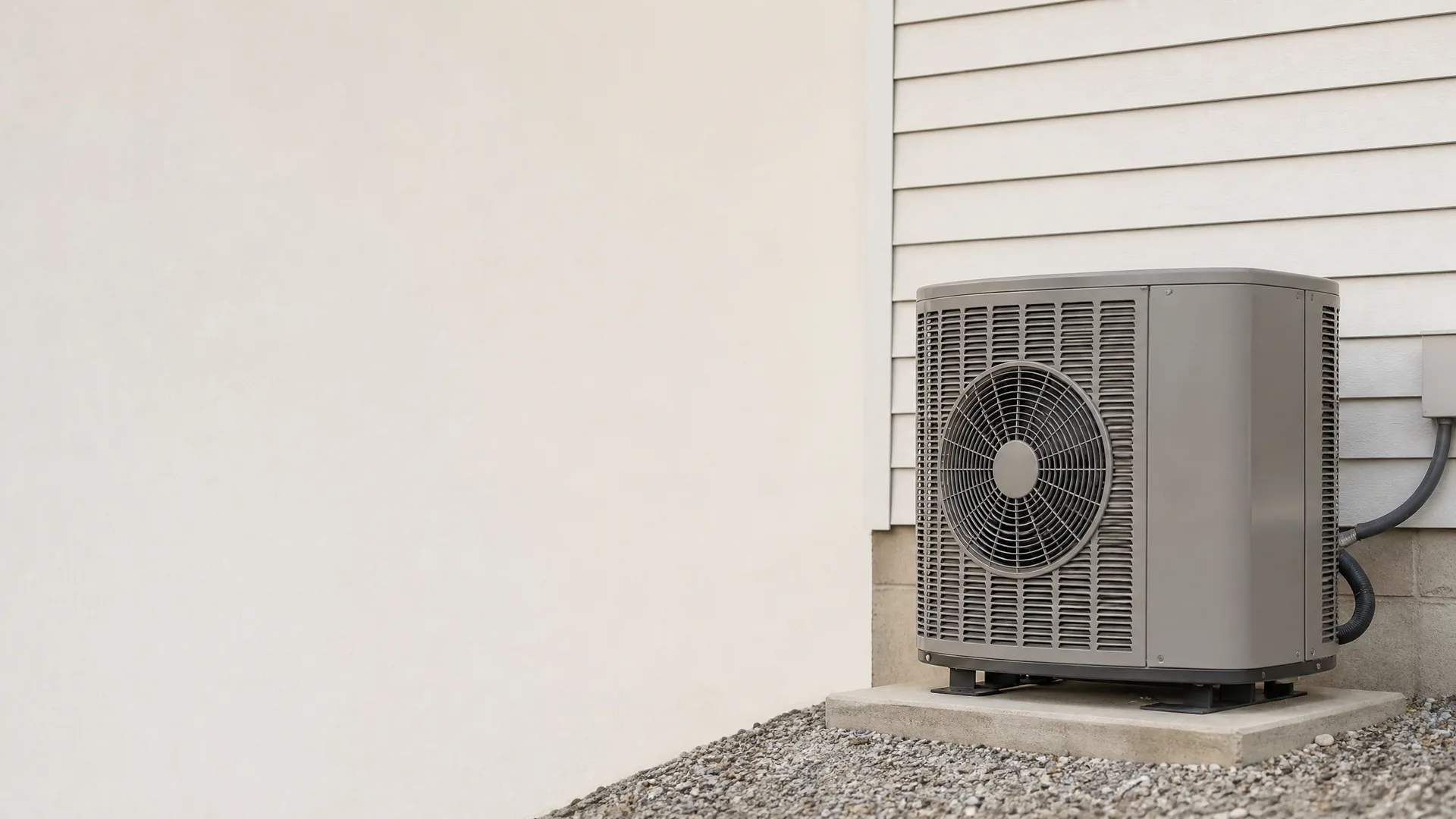
A gray outdoor heat pump unit on a concrete pad over gravel, beside a house with horizontal siding and an adjoining light stucco wall.

Why the pairing matters here

Since most homes in Pennington County already heat with gas, a lot of heat pumps here are installed alongside a furnace rather than on their own. The heat pump handles the milder days, and the furnace takes over once it gets too cold for the heat pump to keep up efficiently. Getting that handoff set up right, the point where one shuts off and the other kicks in, is what decides whether the system keeps you warm through January without running up the bill.

What does a Rapid City winter actually ask of your heat pump?

  • Winter nights average 13°F

    Nights average 13°F here in December, January and February, cold enough that most heat pumps need backup heat to keep the house warm.

  • Heat runs September through May

    Heat runs September through May in homes around here, so your heat pump is working most months of the year, not just a few.

  • Cooling runs June through August

    Cooling only runs June through August, three months, which means the system spends far longer heating than it ever spends cooling.

NOAA nClimDiv 1991-2020

Heat pump alone

A heat pump still pulls heat from outside air once it drops below zero, but there's less heat in that air to grab. The compressor runs longer and works harder to hold the house at temperature, and on the coldest nights it may not keep up by itself. Running one without backup through a Rapid City winter means the house can fall behind on the hardest nights of January and February. Most homeowners here pair the heat pump with a second heat source rather than ask it to do the whole job alone.


Heat pump with gas backup

Most homes around Pennington County already have gas, which makes it the natural backup for a heat pump. The heat pump handles the milder days on its own, and the furnace takes over once outdoor air gets too cold for the compressor to keep up efficiently. That split means less strain on the heat pump during the worst of winter and a furnace that isn't running nonstop in October. It's the setup most contractors here recommend once they see what a Rapid City winter actually does to a heat pump working alone.

A man in a navy sweater reclines with closed eyes in a beige armchair in a living room, with a lamp, wooden cabinet, bookshelf, potted plant, and a side table holding a newspaper and mug nearby.
A man in a blue henley shirt reclines on a leather chair with his eyes closed, beside a window, a houseplant, a side table with a newspaper and a dark mug.
A man in a gray sweatshirt reclines with his eyes closed in a dark leather chair, with a bookshelf behind him and a side table holding folded newspapers, a mug, and a potted plant by a window.
A man in a blue sweater leans back on a brown leather chair with his eyes closed and a slight smile, in a room with bookshelves, framed pictures, a potted plant by a window, a folded newspaper and a dark mug on a table.

Send one request and you're done looking

A heat pump that's sized and installed right for Rapid City winters is a different machine than one put in without the backup heat or the controls set up for a place this cold. The difference shows up on the nights that matter, when it's near zero and the system either switches over to backup smoothly or leaves you short. Getting that installation right the first time means working with someone who sets up heat pumps for this weather regularly, not someone guessing at what Pennington County winters ask of the equipment. You don't have to sort through who that is. Send the request and it goes to one licensed local contractor who already knows what a Rapid City winter does to a heat pump, what backup heat setup it needs, and where installs around here tend to go wrong. You're not left comparing quotes from a handful of companies while the cold sets in. You hand off the search, not just the job.

If your heat pump has no backup heat source, or the backup isn't set to kick in until the house has already gone cold, you'll feel it in the rooms farthest from the thermostat first.

That's a sign the switchover point is set wrong for this climate, not a sign the heat pump is failing, and it's worth having someone who installs these in Pennington County check the setup before the next cold snap.

An outdoor air conditioner condenser unit on a concrete pad beside a house with horizontal lap siding, with refrigerant lines entering the wall and a shrub on bare soil to the left.
Before you get your heat pump installation
A light gray outdoor heat pump unit mounted on a concrete pad beside a house with horizontal lap siding, with refrigerant lines and conduit running to a wall-mounted electrical box, gravel and a leafy shrub nearby.
After you get your heat pump installation

Before you get your heat pump installation

Right now the heat pump is doing what it can with whatever setup it came with, and you're not sure if that's enough. Maybe the backup heat kicks on later than it should, or never kicks on at all, and you've noticed certain rooms stay cold no matter where the thermostat is set. Maybe you're still deciding between a heat pump and a furnace and don't want to guess wrong for a place where January nights sit around 13°F. Either way, you're left watching the forecast and wondering how the system will hold up once it really gets cold, without anyone local having looked at your house, your ductwork or what the unit is actually rated to handle down here.

After you get your heat pump installation

A contractor licensed in South Dakota and working around Pennington County sizes the equipment to your house and sets the backup heat to switch on before the rooms farthest from the thermostat start losing ground. That's someone who installs these in Rapid City winters every year and knows where they're pushed too hard or set up wrong from the start. You send one request and hear back from that one contractor, not a handful of different companies competing for the job. From there it's a conversation about your house, not a guessing game you're running on your own, and the next cold snap isn't something you're bracing for.

A gray-haired man in a blue quarter-zip sweater sits in an armchair with his eyes closed, beside a large window with bare trees outside and a potted plant and lamp nearby.
A woman in a cream knit sweater sits in an armchair with her eyes closed and head tilted back, beside a window showing orange autumn foliage and a wooden side table with a mug.

Heat pump with gas backup

Most Rapid City homes already have gas. Paired with a heat pump, the furnace takes over when it's too cold for the compressor alone, so every room stays warm.

Send my request

Heat pump with electric backup

No gas line needed. Electric resistance coils carry the heat load on the coldest nights, though they draw more power than the furnace option would.

Send my request

Sized Right vs Sized Off a Chart

Heat pump sized for Rapid City

  • The compressor and the backup heat are matched to how low this area actually gets, not just the square footage of your house.
  • The switchover point is set for a Pennington County winter, so backup heat kicks in before the rooms farthest from the thermostat go cold.
  • A contractor who installs these every winter here knows which models hold up when nights sit near zero for days at a stretch.
  • The thermostat and backup heat are programmed together, so you're not relying on the heat pump to guess when it needs help.
  • Ductwork gets checked against the unit's output, so the air it does produce actually reaches every room.

Heat pump installed without that

  • A unit sized off a general chart may run constantly in January without ever quite catching up to the thermostat setting.
  • If the backup heat switchover is left at a default setting, it may not turn on until the house has already lost ground.
  • A furnace or electric backup that isn't wired to work with the heat pump leaves a gap between when one stops and the other starts.
  • Rooms at the far end of the duct run are usually the first to show the problem, even when the thermostat reads fine.
  • Without someone who knows how these units behave below zero, a failing part can go unnoticed until the coldest night of the year.
  1. The compressor pulls heat out of the outdoor air

  2. Refrigerant carries that heat inside to the coil

  3. The indoor coil releases heat into the air moving through the ducts

  4. Backup heat switches on once outdoor air gets too cold to draw from

Power here costs 15.09 cents per kilowatt-hour

At 15.09 cents per kilowatt-hour, running backup heat on electric resistance adds up fast on the nights your compressor can't keep up alone. Gas backup sidesteps that rate entirely, which is worth weighing if your heat pump's switchover is leaning hard on electric strips all winter.

EIA-861 2025

A gray outdoor condenser unit on a concrete pad beside a house with horizontal lap siding, with an electrical disconnect box and insulated refrigerant lines on the wall, gravel in the foreground and a planting bed at left.

Running the way it should

A clean unit like this pulls outdoor air through an open coil without a fight. The compressor cycles on, does its work, and shuts off. Clear space around it and a clean coil guard let it hit the output it was built for, which matters most on a night near zero.

An outdoor air conditioner condenser unit on a concrete pad beside a house with horizontal lap siding, with refrigerant lines and a gray electrical disconnect box on the wall, surrounded by bare dirt.

Coated coil, lost output

Dirt caked on the coil guard blocks airflow before it reaches the fins inside. The compressor has to run longer to move the same heat through a clogged unit. In a Rapid City winter, that's output you don't have on the morning you need it.

A heat pump can get you through a Rapid City winter, but only if the backup heat and the switchover point are set up for how cold it actually gets here, not for a milder climate. That's a sizing and setup job, and it's worth having someone look at it who works on these systems in Pennington County every winter and knows which part of the install usually gets missed, whether it's the switchover temperature or the backup heat source itself. You'll be matched with one licensed local contractor, not a handful of companies calling you at once, so the person who looks at your system is someone who already knows what a heat pump here needs to hold up when it's near zero outside. Once you've seen what the setup should look like, deciding whether yours measures up gets a lot simpler.

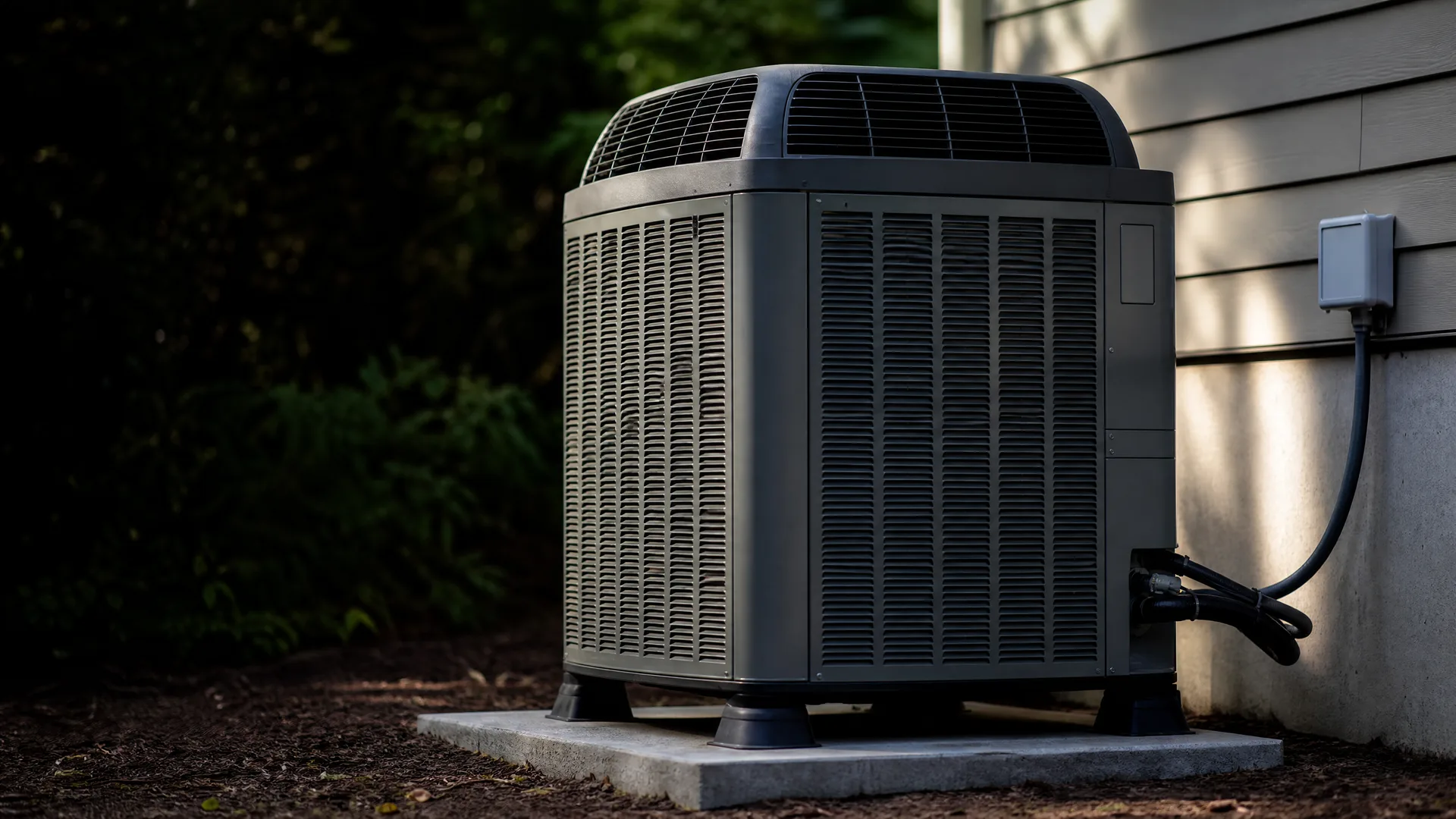
An outdoor air conditioning or heat pump condenser unit on a concrete pad beside a house with horizontal siding, with a wall-mounted disconnect box and refrigerant lines, and dark shrubs to the left.

Let someone else find the pro

Step 1 of 3: Equipment