Tell us about the job
Takes about a minute. No obligation.
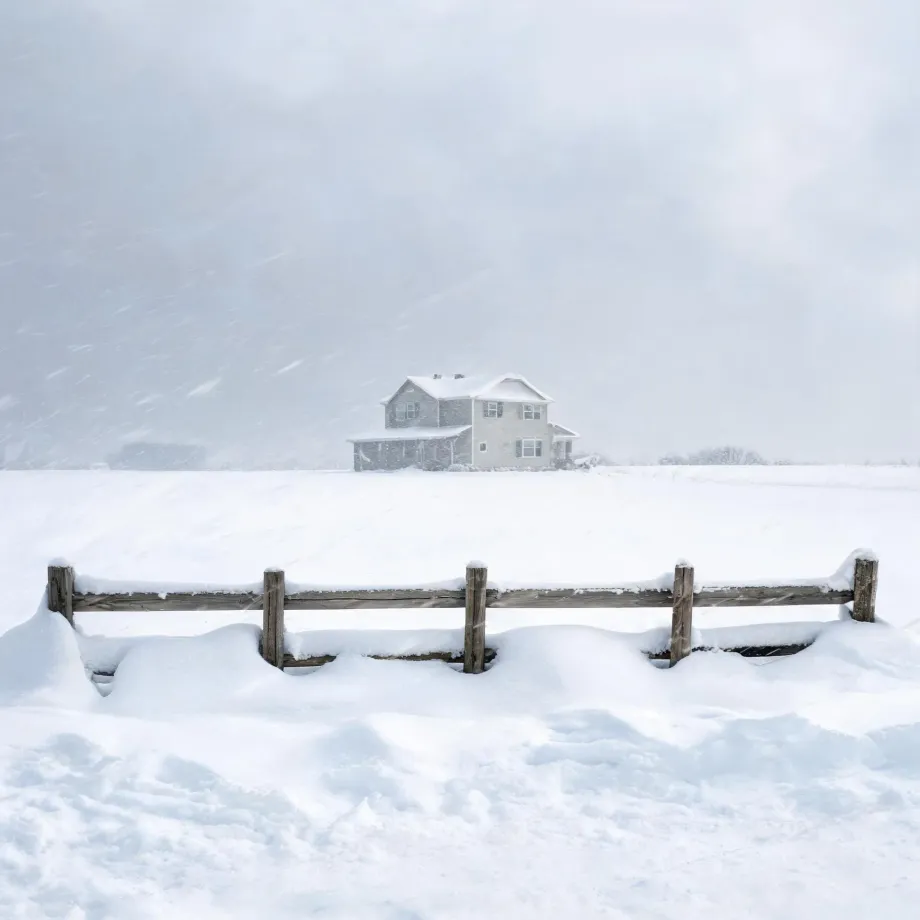
A heat pump here earns its failures honestly. Homes in Miner County, SD run heat about nine months a year, from September through May. The reversing valve cycles between heating and cooling modes every time the thermostat calls, and after enough heating seasons the valve seat and solenoid show that work in ways a contractor can measure. Refrigerant circuit integrity matters for the same reason: a slow leak that might sit unnoticed in a mild climate pulls capacity down at the exact temperatures where a heat pump in this county is already working hardest. A contractor diagnosing a repair here checks those components before anything else.
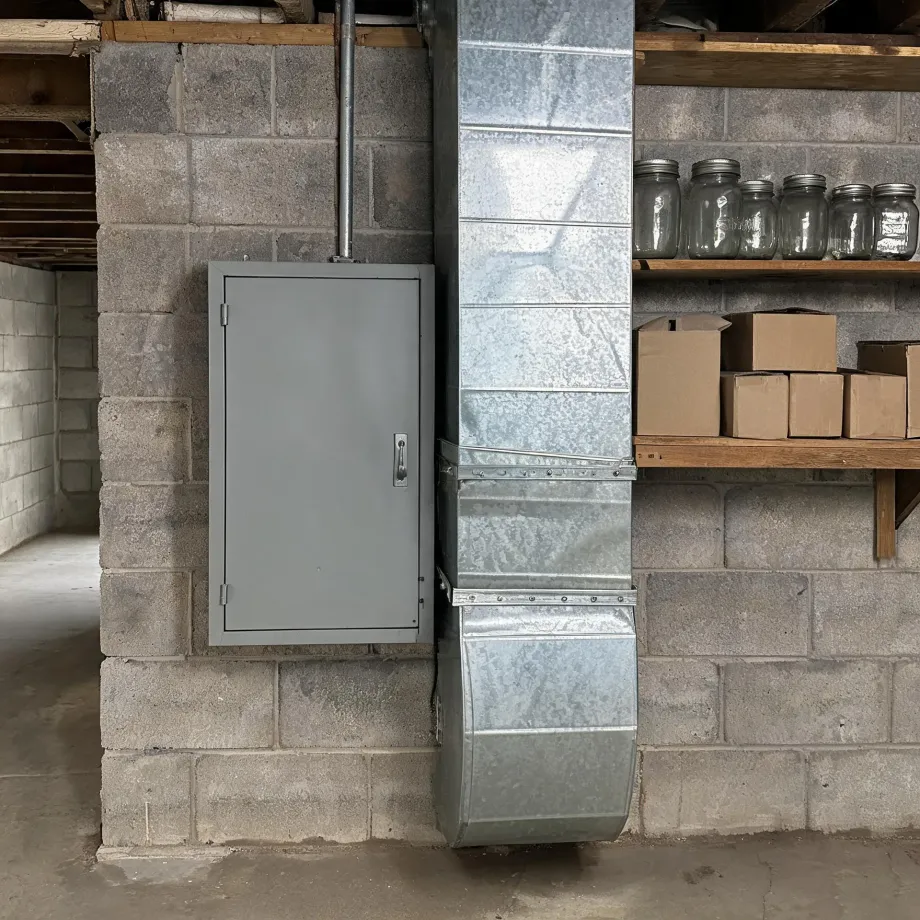
Ductwork in housing this old was sized and routed for whatever ran in it first, and that original system is long gone. The refrigerants, compressor designs, and control boards that replaced it may also be gone. Half the homes in Miner County, South Dakota were built in 1954 or earlier (2020-2024 ACS 5-year). A contractor opening a heat pump in stock like this has to determine which generation of equipment is actually in front of them, because that decides what parts are still manufactured and what a repair realistically costs.
The Parts of a Heat Pump a Contractor Checks First
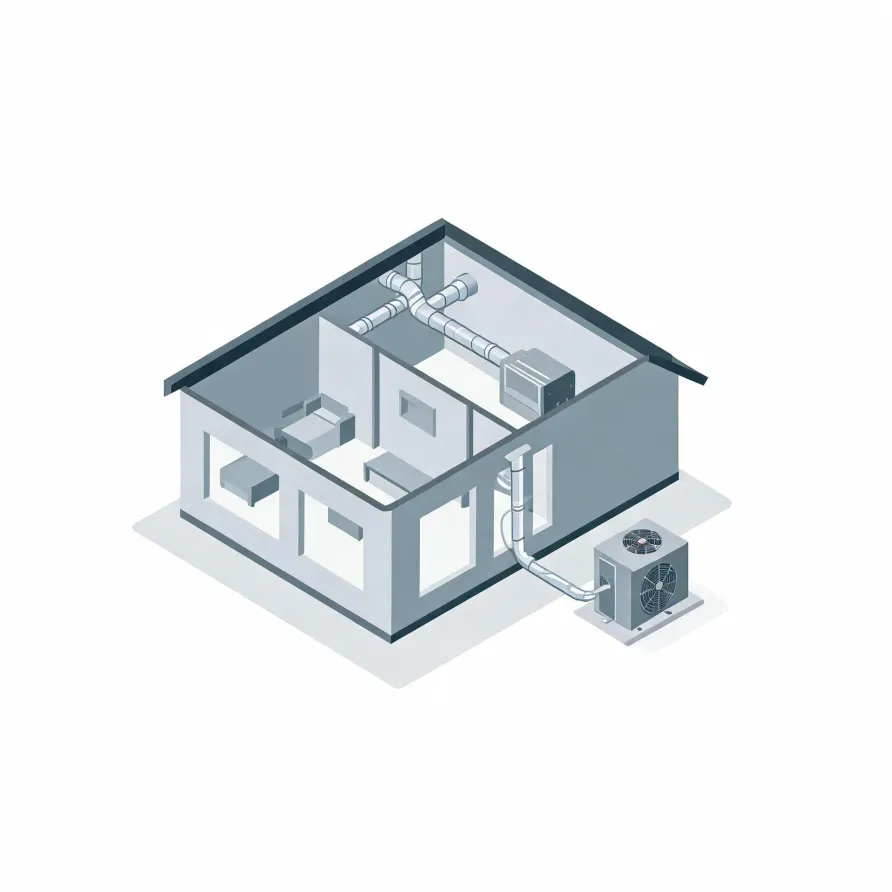
The outdoor unit is where most repairs start. It holds the compressor, which pressurizes the refrigerant, and the outdoor coil, which sheds or pulls heat depending on the season. When a heat pump stops heating or cooling, the compressor and that coil are among the first things a contractor puts hands on.
Inside the house, the air handler moves conditioned air through the home. It contains the indoor coil and the blower motor. The refrigerant line set runs between the two units, and the reversing valve inside the system is what allows the heat pump to switch between heating and cooling modes. A fault in any of these can show up as weak airflow, wrong temperatures, or a unit that runs but does nothing.
The drawing shows the general layout of a heat pump system, and a licensed contractor determines which parts and conditions apply to your specific home.
Find a contractor in Miner CountyMiner County, by the numbers
70 severe weather events were recorded in Miner County, South Dakota between 2015 and 2024.
NOAA National Centers for Environmental Information, Storm Events Database, bulk CSV export, events 2015-01-01 through 2024-12-31.Half the homes in Miner County, South Dakota were built in 1954 or earlier (2020-2024 ACS 5-year).
U.S. Census Bureau, 2020-2024 American Community Survey 5-Year EstimatesMiner County, South Dakota holds 1,180 housing units (2020-2024 ACS 5-year).
U.S. Census Bureau, 2020-2024 American Community Survey 5-Year EstimatesOwners occupy 84.8% of the occupied homes in Miner County, South Dakota (2020-2024 ACS 5-year).
U.S. Census Bureau, 2020-2024 American Community Survey 5-Year EstimatesSevere Weather Events in Miner County
Extreme weather puts heat pumps under stress, and that stress adds up over time. Repair needs in Miner County track directly with what the local climate demands from the equipment.
70 severe weather events, 2015–2024. Source: NOAA National Centers for Environmental Information, Storm Events Database.