Tell us about the job
Takes about a minute. No obligation.
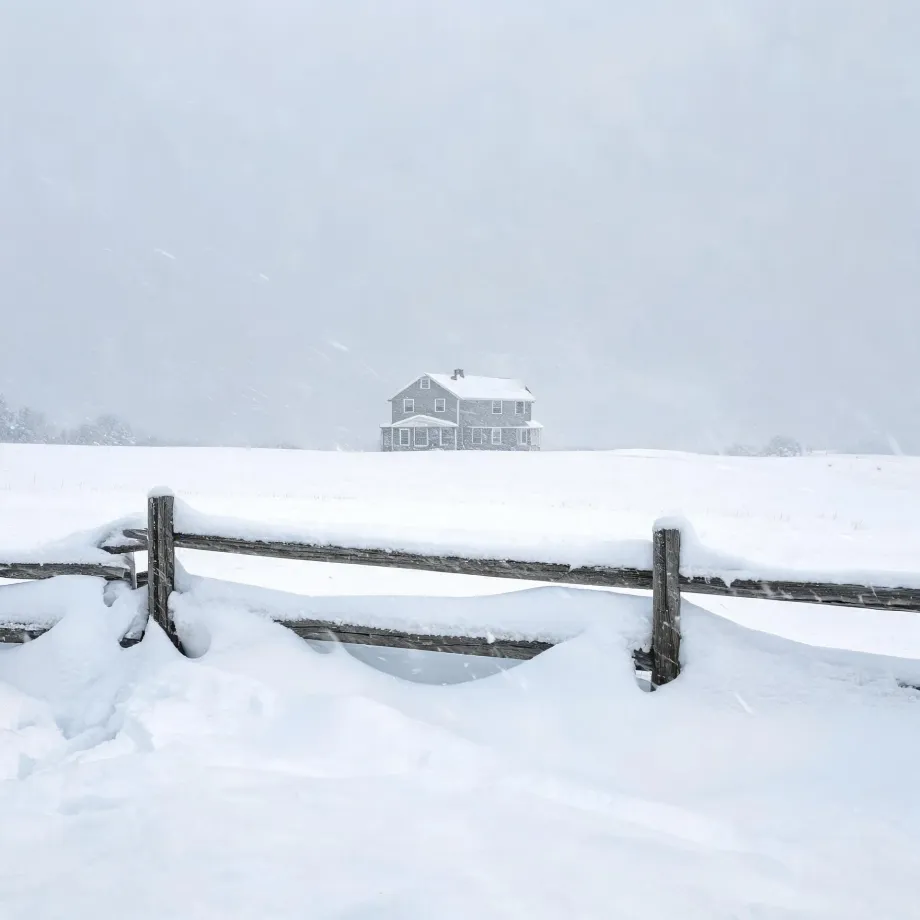
On a heat pump repair call here, a contractor goes straight to the reversing valve and the refrigerant circuit before looking at anything else. Homes in Gregory County, SD run heat about eight months a year, from October through May. Capacity drops as outdoor temperatures fall, which means the system is already working near its limits when conditions are hardest, and the reversing valve cycles with every mode switch across those months. Wear on that valve shows up as weak heating, weak cooling, or a compressor that runs without moving much heat either direction. A contractor who skips it first is pricing the wrong repair.
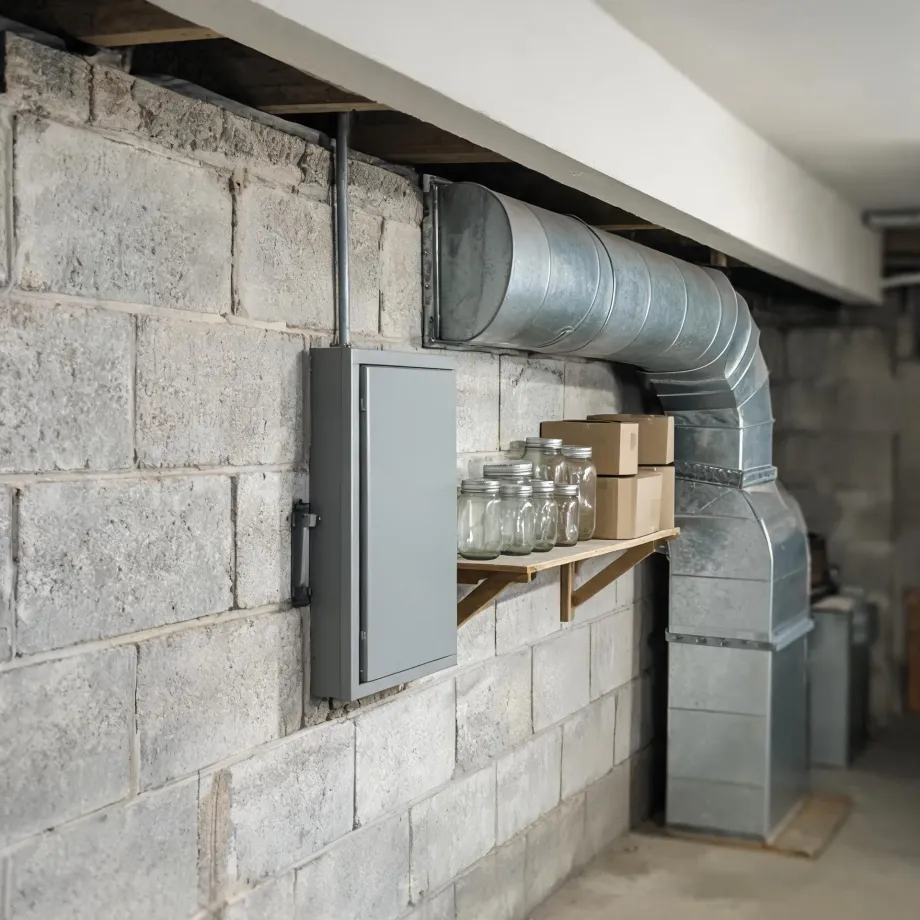
Ductwork in a house this old has usually been modified more than once, and those modifications compound. Half the homes in Gregory County, South Dakota were built in 1963 or earlier (2020-2024 ACS 5-year). A heat pump running in stock of this vintage is often fighting restrictions and leakage that predate it, and a repair call can reveal that the unit itself is functioning correctly while the duct runs are losing a significant share of the conditioned air before it reaches the living space. The contractor's diagnostic work does not stop at the equipment.
The Parts of a Heat Pump a Contractor Checks First
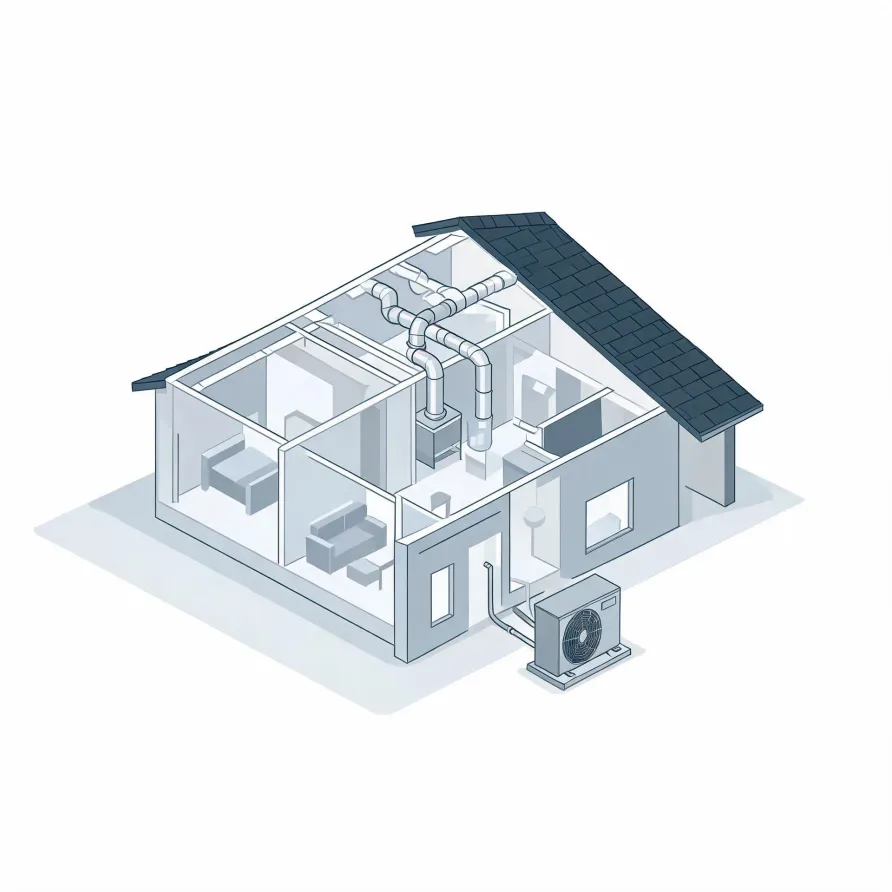
The outdoor unit is usually where a contractor starts. It houses the compressor, which drives the whole system, and the outdoor coil, which either pulls heat from the air or releases it depending on the season. When the compressor fails or the coil is damaged, the system stops moving heat altogether.
Inside the house, the air handler pushes conditioned air through your home and contains the indoor coil and the blower motor. The reversing valve, which sits in the outdoor unit, is what lets a heat pump run in both directions. A bad reversing valve is a common reason a system heats in summer or cools in winter.
The drawing shows a typical layout, and a licensed contractor will assess which components apply to your specific system and home.
Find a contractor in Gregory CountyGregory County by the Recorded Facts
170 severe weather events were recorded in Gregory County, South Dakota between 2015 and 2024.
NOAA National Centers for Environmental Information, Storm Events Database, bulk CSV export, events 2015-01-01 through 2024-12-31.Half the homes in Gregory County, South Dakota were built in 1963 or earlier (2020-2024 ACS 5-year).
U.S. Census Bureau, 2020-2024 American Community Survey 5-Year EstimatesGregory County, South Dakota holds 2,188 housing units (2020-2024 ACS 5-year).
U.S. Census Bureau, 2020-2024 American Community Survey 5-Year EstimatesOwners occupy 76.7% of the occupied homes in Gregory County, South Dakota (2020-2024 ACS 5-year).
U.S. Census Bureau, 2020-2024 American Community Survey 5-Year EstimatesSevere Weather Events in Gregory County
Extreme weather puts heat pumps under sustained stress, and the recovery load after a bad stretch is where repair needs surface. What the climate does in this part of South Dakota shapes how hard the equipment works and how often it fails.
170 severe weather events, 2015–2024. Source: NOAA National Centers for Environmental Information, Storm Events Database.