Tell us about the job
Takes about a minute. No obligation.
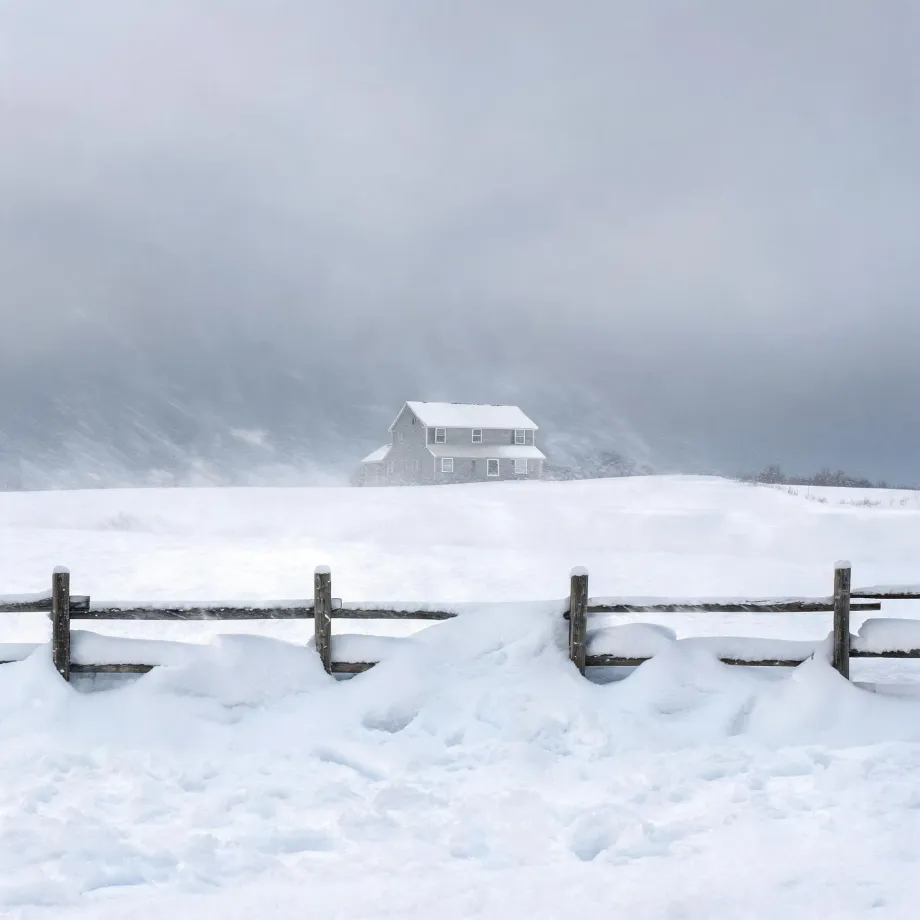
Sizing a heat pump for Dewey County means working out what the equipment faces when outdoor temperatures fall furthest, because a heat pump loses capacity exactly when the house needs it most. Homes in Dewey County, SD run heat about nine months a year, from September through May. A contractor quoting an installation here has to establish both the heating load at the coldest point of that season and how much backup resistance heat the system will need to carry when the heat pump alone falls short. Get that balance wrong and the backup strips do the heavy lifting all winter, which defeats the case for a heat pump. The refrigerant circuit, the reversing valve, and the defrost controls all accumulate wear through a long heating season, so the quality of the original installation determines how those parts hold up.
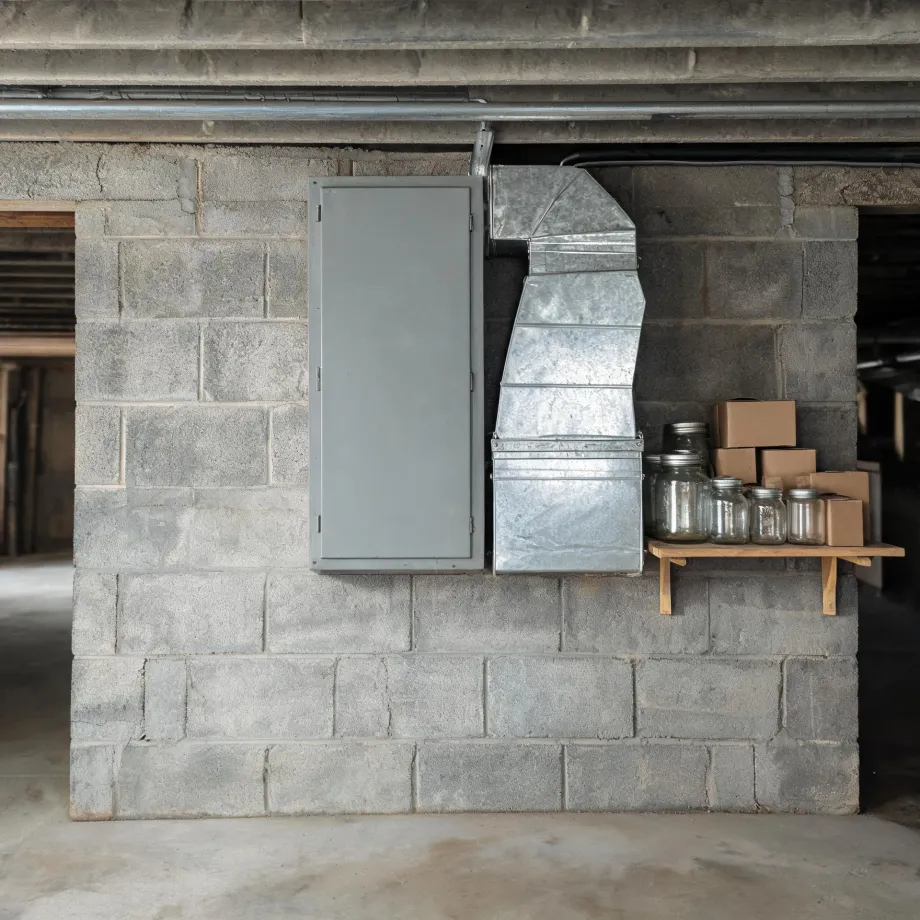
Ductwork sized and routed for a different generation of forced-air equipment does not automatically carry what a heat pump needs. Half the homes in Dewey County, South Dakota were built in 1978 or earlier (2020-2024 ACS 5-year). That history means a contractor opening up a crawlspace or ceiling cavity here is checking whether existing runs can move the volume of air a heat pump calls for, not assuming they can. Where the duct layout falls short, the electrical panel is the next question. Both get priced before the unit does.
What Gets Installed With a New Heat Pump
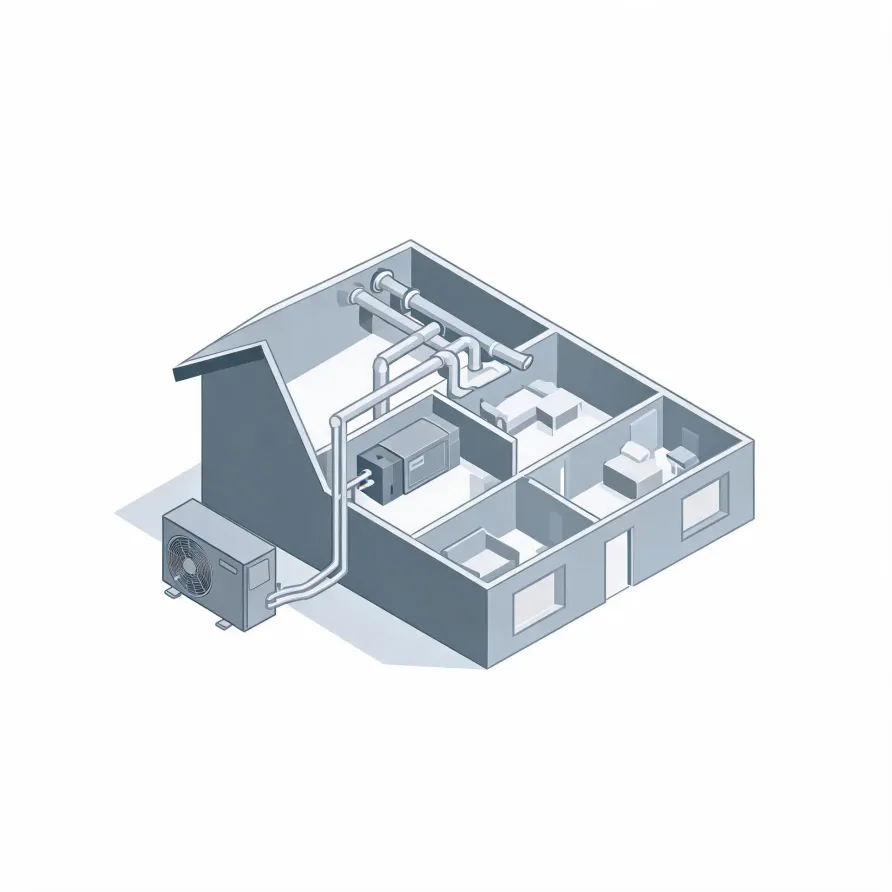
The outdoor unit sits on a pad beside the house and holds the compressor and coil that do the bulk of the work. Inside, an air handler mounts in a utility space, closet, or attic and moves conditioned air through the home. Together, these two units are what a contractor sets in place.
A refrigerant line set runs between the outdoor unit and the air handler, passing through the wall to connect the two. A thermostat goes on an interior wall where it reads the temperature of the living space and signals the system to run.
The drawing shows a typical layout, and a licensed contractor determines exactly how each piece fits into your home.
Find a contractor in Dewey CountyDewey County, by the numbers
212 severe weather events were recorded in Dewey County, South Dakota between 2015 and 2024.
NOAA National Centers for Environmental Information, Storm Events Database, bulk CSV export, events 2015-01-01 through 2024-12-31.Half the homes in Dewey County, South Dakota were built in 1978 or earlier (2020-2024 ACS 5-year).
U.S. Census Bureau, 2020-2024 American Community Survey 5-Year EstimatesDewey County, South Dakota holds 1,931 housing units (2020-2024 ACS 5-year).
U.S. Census Bureau, 2020-2024 American Community Survey 5-Year EstimatesOwners occupy 61.2% of the occupied homes in Dewey County, South Dakota (2020-2024 ACS 5-year).
U.S. Census Bureau, 2020-2024 American Community Survey 5-Year EstimatesSevere Weather Events in Dewey County
Extreme weather puts real demands on heating and cooling equipment, and those demands vary by location. A heat pump sized and installed for local conditions holds up better than one spec'd without that context.
212 severe weather events, 2015–2024. Source: NOAA National Centers for Environmental Information, Storm Events Database.